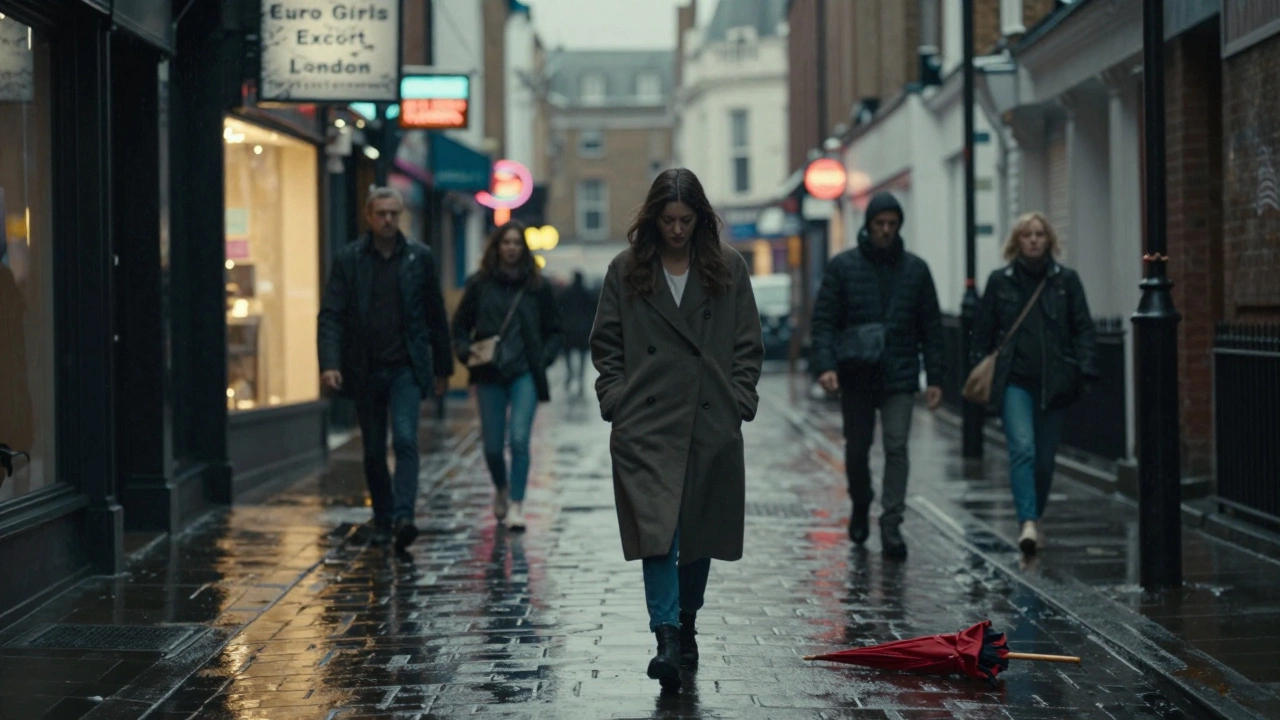
There’s a line in society that no one draws, but everyone knows is there. It’s not written in law, not taught in school, and never discussed at dinner tables. Yet it shapes how women are seen, judged, and discarded - especially when they’re labeled with words like leper. The word itself feels ancient, almost biblical. But its weight is still carried by women today, not because of disease, but because of silence, stigma, and the habit of looking away.
Some women are pushed to the edges not because they did something wrong, but because they dared to exist differently. A woman who works late, who speaks too loudly, who refuses to smile on command, who leaves an abusive relationship, who takes money for companionship - these aren’t crimes. But they’re enough to make people whisper. You’ll find those whispers in alleyways, in coded job listings, in the way strangers cross the street. And sometimes, you’ll find them in places like euro girls escort london, where the line between survival and exploitation gets blurred by language that sanitizes pain.
What Does It Mean to Be Called a Leper Today?
The term leper once meant someone with Hansen’s disease - a physical condition that was misunderstood and feared. In medieval times, those people were forced to wear bells and live outside towns. Today, no one wears bells. But the social exile remains. Women who don’t fit the mold of purity, obedience, or quietness are often treated like modern lepers. Their bodies become public property. Their choices become moral failures. Their survival strategies are called sin.
This isn’t about sex work. It’s about who gets to decide what’s acceptable. A woman who cleans houses for minimum wage is called hardworking. A woman who offers companionship for pay is called immoral. The work is similar - emotional labor, physical presence, time traded for money. But one is praised. The other is erased.
The Habit of Looking Away
People don’t hate these women because they’re evil. They hate them because they’re uncomfortable. They remind us that the rules we live by are arbitrary. That poverty doesn’t care about virtue. That dignity isn’t earned by marriage or motherhood. That sometimes, the only way out is through a door no one wants to open.
And so, we look away. We pretend these women don’t exist. We avoid their neighborhoods. We change the subject when they’re mentioned. We scroll past their ads. We call them names behind their backs. We tell ourselves we’re protecting society. But we’re really protecting our own illusions.
This habit isn’t new. It’s been passed down like a family recipe - generation after generation. Mothers teach daughters to be quiet. Teachers punish girls who ask too many questions. Employers promote men who act confident, not women who speak truth. And when a woman steps outside that script, the system doesn’t correct her - it casts her out.
Why Women? Why Now?
Women have always been the first to be labeled when society feels unsafe. In times of economic collapse, it’s women who lose jobs first. In times of moral panic, it’s women who are blamed. In times of fear, it’s women who are policed. And now, in a world obsessed with image and control, women who don’t perform femininity on demand are treated like glitches in the system.
Look at the language we use. Euro girl escort london - three words that sound like a product listing. Not a person. Not a life. Not a story of trauma, resilience, or choice. Just a label. A category. Something to be consumed, not understood.
These phrases aren’t neutral. They’re tools of dehumanization. They turn women into services. Into commodities. Into things you can order, like food or a taxi. And once you see someone as a service, you stop seeing them as human.
The Cost of Silence
When we stay silent, we’re not neutral. We’re complicit. Every time we scroll past a post about a woman labeled a leper, we reinforce the idea that her life doesn’t matter. Every time we laugh at a joke about women who sell time, we normalize the idea that their bodies aren’t theirs.
There are women in London right now who wake up before dawn, who take buses to unfamiliar neighborhoods, who smile for strangers who never learn their names. Some do it because they have no other options. Some do it because they’ve learned how to turn pain into power. None of them deserve to be called names. None of them deserve to be invisible.
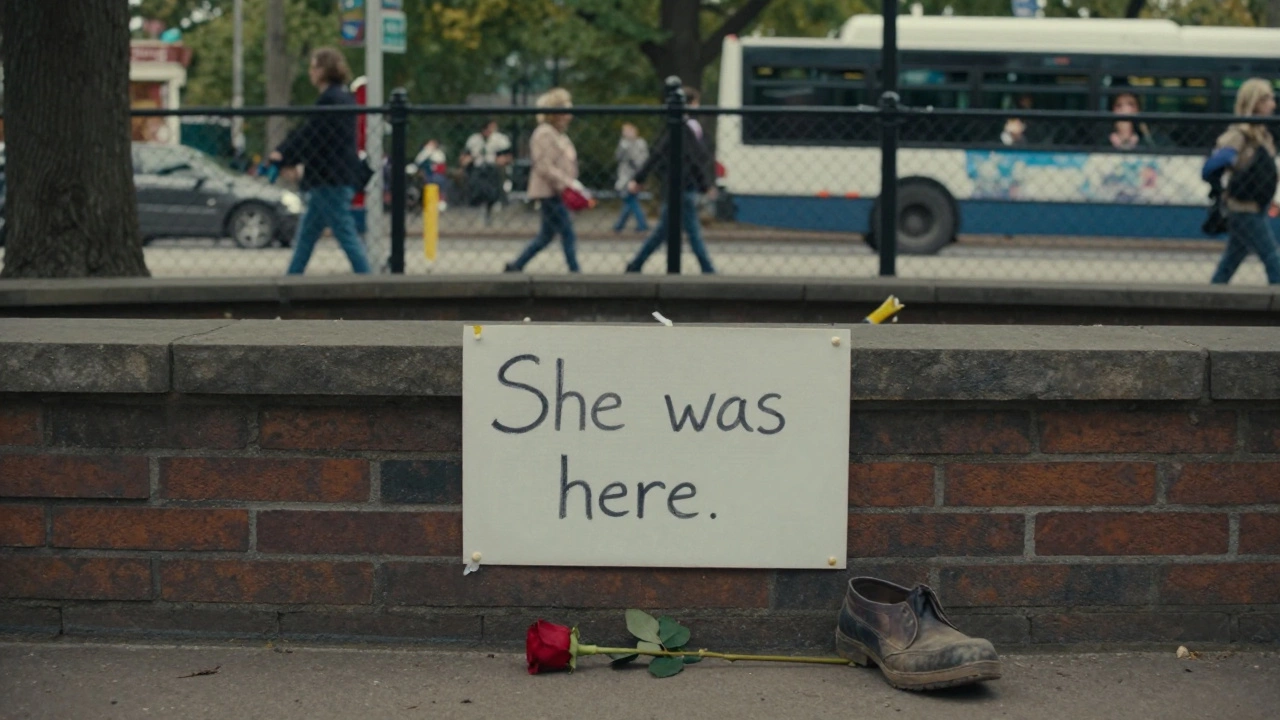
But the system doesn’t care about their names. It only cares about their utility. And when they’re no longer useful - when they’re older, when they’re sick, when they’re tired - they vanish. No obituaries. No headlines. Just silence.
Breaking the Habit
Change doesn’t start with laws. It starts with how we speak. It starts with noticing. With asking: Who is this woman? What did she lose? What did she survive? What does she want?
You don’t have to agree with her choices to see her humanity. You don’t have to rescue her to honor her. You just have to stop treating her like a ghost.
Next time you hear someone use the phrase euro escort girls london, pause. Ask: Why are we talking about her like she’s a product? Why aren’t we asking about her life?
That’s the first step. Not activism. Not charity. Just recognition. Just seeing her - not as a label, not as a keyword, not as a punchline - but as someone who exists.
And maybe, just maybe, if enough people start seeing, the habit of looking away will break.